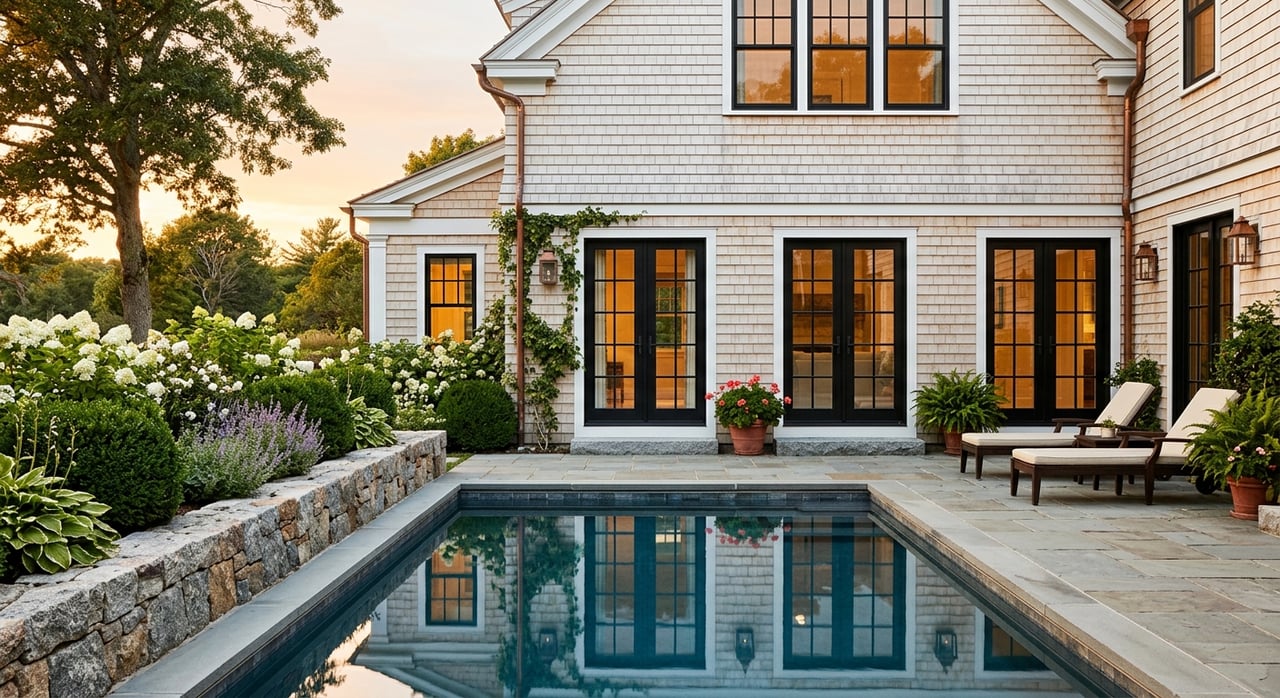
If the idea of waking up near the harbor, spending time at the beach, and owning a home with real New England character sounds appealing, Marblehead may already be on your radar. But a coastal retreat here is not just about scenery. It also comes with meaningful decisions about housing style, upkeep, permits, and long-term costs. If you are weighing whether Marblehead fits your lifestyle and budget, this guide will help you think through the big factors before you buy. Let’s dive in.
Why Marblehead draws coastal buyers
Marblehead stands out for its waterfront setting and historic small-town feel. The town includes public coastal spots like Devereux Beach, Fort Beach and Lovis Cove, Gas House Beach, Grace Oliver Beach, Riverhead Beach, and Stramski's Beach. Chandler Hovey Park on Marblehead Neck adds another popular waterfront setting, with views at the mouth of the harbor plus swimming and parking.
The harbor is a major part of daily life in town. Marblehead’s Harbors & Waters Board describes these waters as one of the busiest harbor complexes in New England. If you picture boating as part of your lifestyle, that can be a real draw, but it also means you should understand local rules early.
Fort Sewall adds to the town’s coastal identity as well. The town describes it as a public park at the mouth of Marblehead Harbor that has protected the harbor entrance since 1644. For many buyers, that blend of waterfront access and deep local history is exactly what makes Marblehead feel special.
What a Marblehead retreat looks like
Marblehead’s housing stock is shaped by history more than by new large-scale development. The local historic district covers about 2,300 acres and includes 988 contributing buildings. Architectural styles include Georgian, Federal, and Queen Anne, and the town still has some buildings from the 1600s and about 200 houses built before the American Revolution.
That history creates a distinct housing experience. If you love older homes, period details, and neighborhoods with architectural continuity, Marblehead may be a strong fit. If you prefer newer construction, simpler upkeep, or fewer property restrictions, you may want to look closely at each home before deciding.
Housing choice also tends to be narrower than in some other communities. Town planning documents show that single-family housing is allowed by right across about 97% of zoned land. Two-family and multifamily options are much more limited and often require special permits.
Why waterfront inventory can be limited
Buyers are often surprised that true waterfront opportunities can be hard to find. One reason is that the Harbor Front district was created to minimize waterfront development and protect views. That helps preserve the coastal character people value, but it also means inventory in prime waterfront locations may stay tight.
If your goal is a direct waterfront property, it helps to be patient and realistic. If your goal is a coastal lifestyle rather than a specific frontage type, you may find more options by focusing on access to beaches, harbor views, or proximity to public waterfront spaces.
Historic rules can affect your plans
Marblehead’s charm comes with added review in certain areas. Within the local historic districts, exterior work visible from a public way requires review by the Old & Historic Districts Commission through a Certificate of Appropriateness. That means changes to exterior materials, windows, additions, and other visible elements may be more regulated than in a typical suburban market.
For some buyers, this is a benefit because it helps protect the visual character of the town. For others, it can feel restrictive, especially if you are planning a major renovation. Before you buy, it is smart to compare your wish list with what may require review.
Ask about exterior changes early
If you are considering updates, ask detailed property-specific questions before making a move. That may include:
- Whether the home is inside a local historic district
- Whether past exterior work received the required approvals
- Whether your planned windows, materials, additions, or site work may need review
- Whether shoreline, drainage, or landscape changes could trigger additional permitting
A little homework up front can save time, cost, and frustration later.
The cost side of owning in Marblehead
A Marblehead coastal retreat can be rewarding, but it is important to look beyond the purchase price. Census QuickFacts reports a median owner-occupied housing value of $943,900. It also reports median selected monthly owner costs of $3,971 with a mortgage and $1,347 without a mortgage.
Local taxes are another key part of the budget. Town materials list a single tax rate of $8.56 per $1,000 of value, and the town’s 2025 report says the median single-family tax bill was $8,547.16. For many buyers, these ongoing costs matter just as much as the offer price.
This is where a data-driven approach can really help. When you compare homes, it is worth evaluating taxes, likely insurance needs, maintenance exposure, and improvement costs together, not one at a time.
Flood insurance deserves a separate review
In a coastal market, flood risk should be evaluated separately from the mortgage process and the standard home inspection mindset. Massachusetts says there is no state law requiring flood insurance, but standard homeowners policies do not cover flood damage. That is an important distinction for any buyer considering a home near the water.
FEMA identifies the Flood Map Service Center as the official source for flood hazard maps. NFIP guidance also says flood insurance is required for homes in a Special Flood Hazard Area when the mortgage is government-backed. In practical terms, you want to understand both whether insurance is required and whether it is wise even when not required.
The Massachusetts Sea Level Rise and Coastal Flooding Viewer adds another planning layer. It shows current FEMA coastal flood zones along with 2030, 2050, and 2070 flooding scenarios and hurricane-surge modeling. The state also notes that site-specific elevation and boundary questions should be handled by a certified survey professional.
Flood questions worth asking
Before you commit to a property, consider asking:
- Is the home currently in a mapped flood zone?
- Is flood insurance required for the financing being used?
- What are the current insurance costs and what could affect future costs?
- How does the lot sit in relation to current flood mapping and future coastal flooding scenarios?
- Would a survey professional be helpful to clarify elevation or boundary questions?
Coastal upkeep is part of the lifestyle
Owning near the coast often means a different maintenance rhythm than owning farther inland. FEMA’s coastal construction guidance notes that salt spray and moisture can accelerate corrosion and decay in building materials. That can affect exterior finishes, hardware, roofing, windows, and other exposed elements over time.
Mass. StormSmart guidance also emphasizes runoff control, erosion reduction, and coastal landscaping with salt-tolerant vegetation. In everyday terms, buyers should expect to pay closer attention to drainage, exterior materials, and site conditions. Homes near wetlands or coastal resource areas may also involve added permitting for certain types of work.
If the home will be a part-time retreat, maintenance planning becomes even more important. A property that sits empty for stretches may need winterization, routine checkups, and a reserve for repairs tied to wind, moisture, salt, and storms.
Boating access matters to some buyers
If your vision of Marblehead includes boating, confirm the logistics before you buy. The Harbormaster requires a permit before mooring equipment is installed or any boat is anchored. That makes boating access a lifestyle question and a regulatory one.
A home near the harbor does not automatically mean easy mooring access. If boating is central to your decision, start that research early so you understand availability, timing, and rules before moving forward.
Who Marblehead fits best
Marblehead can be a very good match if you want beach and harbor access, historic character, and a true North Shore coastal setting. It often appeals to buyers who value architecture, waterfront scenery, and a town pattern that remains mostly single-family. If that combination is your priority, the trade-offs may feel well worth it.
It may be less ideal if you want a low-maintenance home, minimal permitting, or very simple ownership costs. Buyers who expect broad renovation flexibility or little exposure to flood and storm planning should take a careful, property-specific look before deciding.
How to decide with confidence
The best way to evaluate a Marblehead coastal retreat is to think through your real use case. Are you buying for full-time living, a part-time escape, long-term residence, or lifestyle value with future resale in mind? Your answer shapes what matters most, from maintenance tolerance to boating access to renovation flexibility.
A smart next step is a property-specific review of flood maps, insurance options, tax implications, and any historic or conservation constraints. When you look at the full picture, you can make a decision that feels exciting and grounded at the same time.
If you are considering a move to Marblehead and want a thoughtful, data-informed perspective on the local market, Debbie Caniff can help you evaluate the lifestyle, costs, and property details that matter most.
FAQs
Is Marblehead a good place for a coastal second home?
- Marblehead can work well for a second home if you want harbor access, beaches, and historic character, but you should also plan for maintenance, winterization, and routine property checks if the home will sit empty.
Are Marblehead homes mostly single-family properties?
- Yes. Town planning documents show single-family housing is allowed by right across about 97% of zoned land, while two-family and multifamily housing is much more limited and often requires special permits.
Do Marblehead historic districts affect home renovations?
- Yes. In local historic districts, exterior work visible from a public way requires review by the Old & Historic Districts Commission through a Certificate of Appropriateness.
Do you need flood insurance for a Marblehead home?
- Not always, but standard homeowners insurance does not cover flood damage, and flood insurance is required for homes in a Special Flood Hazard Area when the mortgage is government-backed.
Is waterfront property easy to find in Marblehead?
- True waterfront inventory can be limited because the Harbor Front district was created to minimize waterfront development and protect views.
Should Marblehead buyers research boating rules before buying?
- Yes. If boating access matters to you, confirm mooring availability and local permitting early because the Harbormaster requires a permit before mooring equipment is installed or any boat is anchored.
