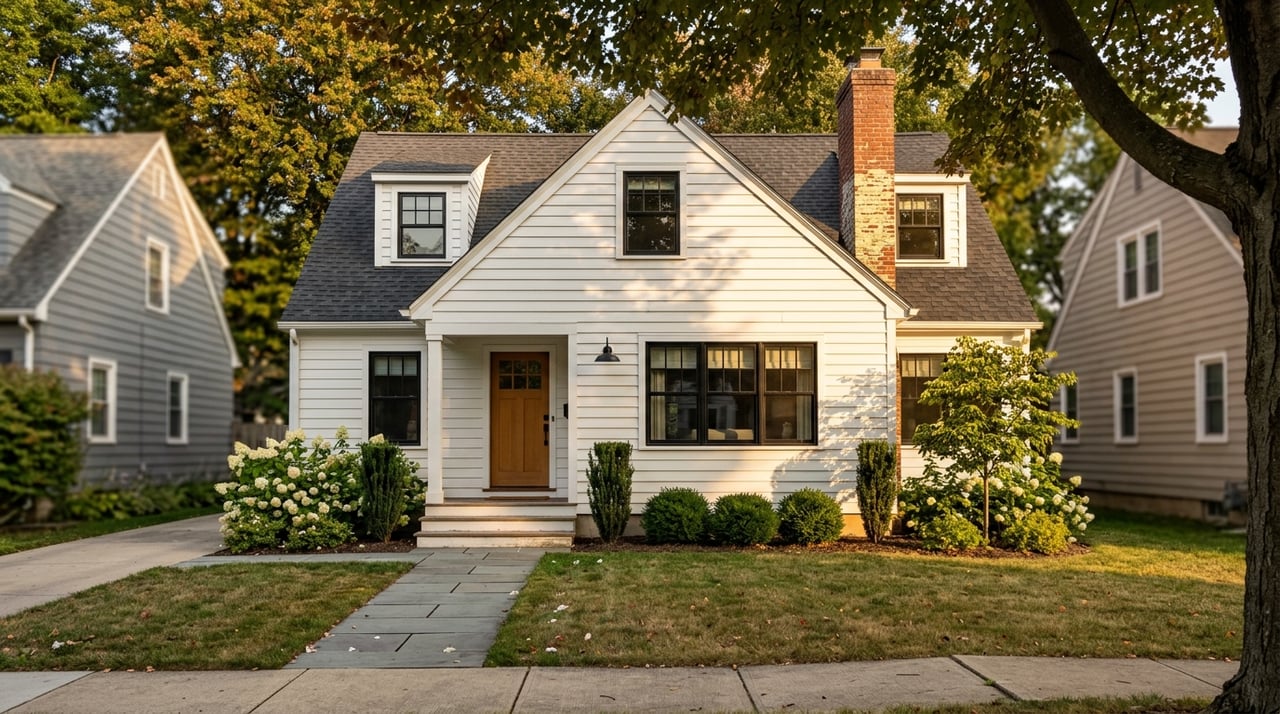
Thinking about leaving Boston or Cambridge, but not ready to give up transit, walkability, and everyday convenience? That is exactly where Melrose enters the conversation. If you want more space and a more residential setting while staying close to the city, this guide will help you understand what Melrose really offers and whether it fits your next move. Let’s dive in.
Why Melrose Appeals to City Movers
Melrose sits about seven miles north of Boston, between I-93 and Route 1, which gives you a close-in suburban location with strong regional access. According to the City of Melrose overview, the city is also known for being walkable and bike-friendly, with access to both the Orange Line at Oak Grove and three MBTA Commuter Rail stops on the Haverhill Line.
That combination matters if you are trying to strike a balance. Melrose is not city-dense in the way Boston or Cambridge are, but it is also not a far-out suburb where every errand depends on a car. It often feels like a practical middle ground for buyers who want more breathing room without disconnecting from the metro area.
How Suburban Melrose Feels
If your main question is whether Melrose truly feels different from city living, the numbers say yes. The U.S. Census QuickFacts data show Melrose has a population density of 6,367.1 people per square mile, compared with 13,976.7 in Boston and 18,520.7 in Cambridge.
Housing tenure tells a similar story. In Melrose, 67.2% of homes are owner-occupied, compared with 35.7% in Boston and 33.5% in Cambridge, according to the same Census source. In practical terms, you are more likely to find a residential environment shaped by long-term homeownership, lower density, and a stronger suburban rhythm.
That said, Melrose is still an expensive market. The median owner-occupied home value is $822,900, which reinforces that this is an inner-ring suburb with strong demand, not a budget alternative far from Boston.
What Housing You’ll Find in Melrose
One reason Melrose works for a wide range of buyers is that the housing stock is not one-note. The city’s Housing Production Plan says detached single-family homes remain the majority, but Melrose also includes duplexes, townhomes, small multifamily buildings, and accessory apartments.
That housing mix can be helpful if you are moving from a condo or apartment in the city and do not want to jump straight into a large single-family home. You may find options that feel more transitional, especially near downtown and along the rail corridor, where the city notes there are roughly 915 two-family homes and a concentration of denser housing types.
Melrose has also seen recent growth lean heavily toward multifamily housing. Between 2013 and the second quarter of 2019, the city added 567 net new housing units, and about 97% were in multifamily buildings, according to the same Housing Production Plan. That helps explain why Melrose can still feel suburban while offering choices beyond traditional detached homes.
Lot Sizes and Streetscapes
If you are coming from Boston or Cambridge, lot size and spacing are often part of the appeal. Melrose zoning allows for a range of residential patterns, from lower-density districts with larger lot requirements to more flexible areas closer to downtown.
Under the city’s 2024 zoning ordinance, SR-A requires 15,000-square-foot lots with 100 feet of frontage, SR-B requires 10,000 square feet with 80 feet of frontage, and UR-A and UR-B allow single-family homes on 7,500-square-foot lots with 75 feet of frontage. Denser districts near downtown and the rail corridor allow townhomes, two-family homes, and multifamily housing more readily.
For you as a buyer, that means the feel of one part of Melrose can be meaningfully different from another. Some areas offer larger lots and a more traditional suburban pattern, while others have a tighter, more urban-influenced fabric with easier access to downtown and transit.
The housing also carries an established New England character. The Housing Production Plan notes that the UR-A area includes mixed housing ages and many historic structures built before World War II, which contributes to the older streetscapes and established neighborhood feel many buyers are looking for.
Can You Live in Melrose Without a Car?
For many city buyers, this is the make-or-break question. In Melrose, the answer is often yes for at least part of your routine, especially if you choose a location near downtown, a rail stop, or Oak Grove.
The city states that commuter rail service to North Station is available from Melrose Highlands, Melrose/Cedar Park, and Wyoming Hill, and that the Orange Line’s Oak Grove station sits at the Melrose-Malden border. Melrose is also recognized as an MBTA Community with commuter rail service, which underscores how central transit is to its identity.
The city’s Complete Streets program adds another layer to that lifestyle. The program is designed to improve connections between home, work, shopping, dining, recreation, and more, and the city highlights its walkable downtown, neighborhood business districts, transit options, and green space.
Still, it is worth staying realistic. The mean travel time to work for Melrose residents is 34.5 minutes, which suggests many households still rely on a mix of train, car, and regional commuting patterns. Melrose can support a car-light lifestyle for many people, but your experience will depend on where you live and where you need to go most often.
What Everyday Life Looks Like
A move out of the city is not only about square footage. It is also about how your daily life feels once you are there.
Melrose promotes a small-city atmosphere where residents can get to know one another, with neighborhoods near parks and playgrounds, according to the city’s neighborhoods page. The city also points to community spaces such as Melrose Common, Pine Banks Park, Mount Hood Memorial Park, and Ell Pond through its parks and recreation information.
Downtown is another major part of the appeal. The city describes Melrose as having a thriving downtown, a growing restaurant scene, neighborhood retail districts, and nearly 600 businesses. For many buyers, that means your suburban move does not have to come with a dramatic loss of convenience.
There is also a civic rhythm here that can matter more than buyers expect. The city highlights annual traditions such as Home for the Holidays, which can help create a stronger sense of place and local identity over time.
Who Melrose Fits Best
Melrose can be a strong next step if you want:
- More space than Boston or Cambridge typically offer
- Transit access that keeps you connected to the city
- A walkable downtown and neighborhood business districts
- A housing mix that includes single-family homes, townhomes, duplexes, and multifamily options
- A more residential setting without moving far outside Greater Boston
It may be especially appealing if you are looking for a close-in suburb that still supports some city habits. You can often keep parts of a walkable, transit-oriented lifestyle while gaining a home environment that feels more spacious and established.
When Melrose May Not Be the Right Fit
Melrose is not the right answer for everyone. If you want the energy and density of Boston or Cambridge right outside your door, Melrose will feel quieter and more residential.
It may also be a stretch if your priority is finding a lower-cost entry point. Housing costs remain high across property types, and the city’s planning documents make clear that affordability is a challenge in the local market. If you want a very large lot or a more rural feel, you may also prefer towns farther from Boston.
The Bottom Line on Moving to Melrose
Melrose makes sense when your goal is not to leave city life behind completely, but to reshape it. You get a less dense, more owner-occupied environment, meaningful transit access, a walkable downtown, and housing choices that range from classic single-family homes to denser options near rail and mixed-use areas.
If that sounds like the kind of next chapter you are considering, having the right local guidance can make a big difference. Debbie Caniff offers data-informed, personalized support for buyers and sellers navigating Melrose and other North Shore and close-in commuter communities.
FAQs
Is Melrose closer to city living or suburban living?
- Melrose is best described as an inner-ring suburb. It is much less dense than Boston or Cambridge, but it still offers strong transit access, walkability, and a close-in location.
What types of homes are most common in Melrose?
- Detached single-family homes are the most common, but Melrose also includes duplexes, townhomes, small multifamily buildings, and accessory apartments, especially near downtown and the rail corridor.
Can you commute to Boston easily from Melrose?
- Melrose offers three MBTA Commuter Rail stops on the Haverhill Line and access to the Orange Line at Oak Grove, which gives many residents practical transit options into Boston.
Are lot sizes in Melrose larger than in Boston or Cambridge?
- In many parts of Melrose, yes. Zoning districts allow minimum lot sizes ranging from 7,500 to 15,000 square feet depending on location, which generally creates a more spacious feel than city neighborhoods.
Is Melrose a good fit if you want to live car-light?
- It can be, especially near downtown, commuter rail stops, or Oak Grove. Many daily trips may be manageable on foot, by bike, or by transit, though some households still use a mix of car and rail for commuting and errands.
