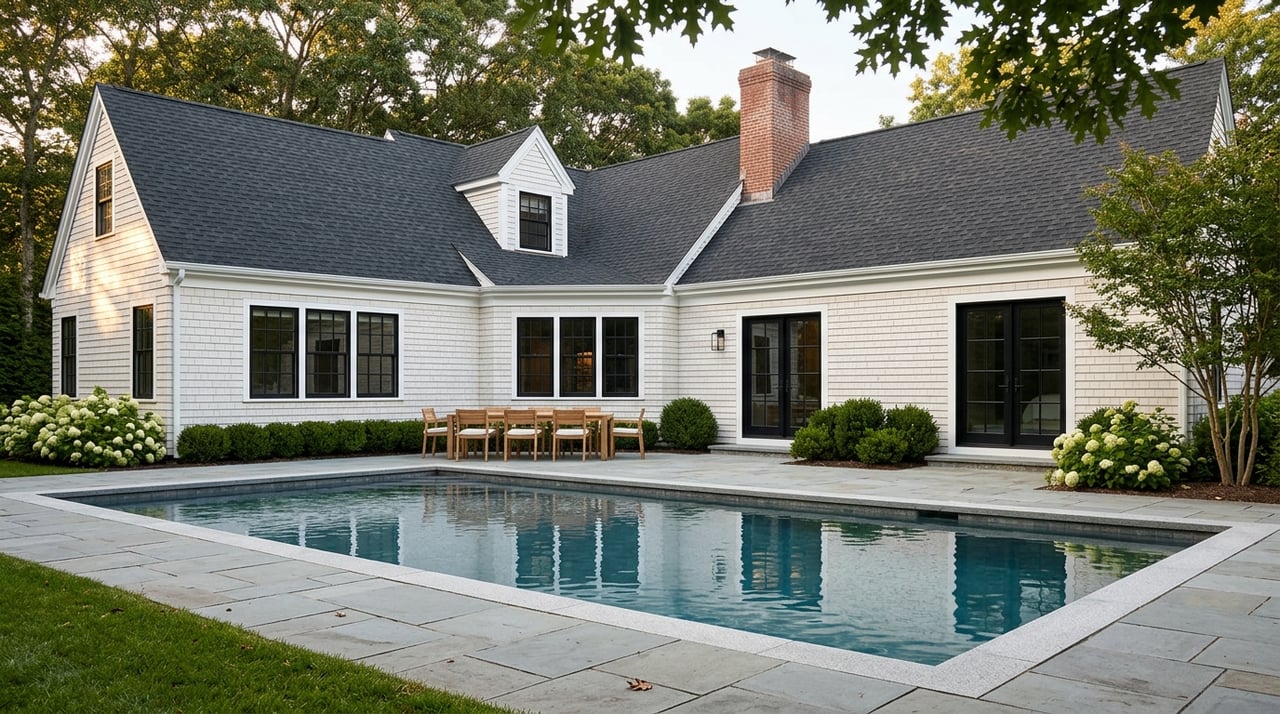
Choosing between Lynnfield and nearby North Shore towns can feel harder than it looks. On paper, these communities are close together, but your day-to-day experience can be very different depending on what matters most to you. If you are trying to balance home style, commute needs, and lifestyle priorities, this guide will help you compare the options more clearly. Let’s dive in.
Start With Your Daily Priorities
The best town for you is not just about price or proximity. It is about how you want your everyday life to work.
A helpful place to start is with four questions:
- Do you want to live near a commuter rail station, or are you comfortable driving to transit?
- Do you prefer mostly single-family homes, or would you like more condo, two-family, or mixed-use options?
- Is your ideal lifestyle centered on open space, a traditional downtown, a lake setting, or easy road access and shopping?
- Do you want a classic suburban feel, or a place that is adding more housing variety over time?
When you answer those questions first, the comparison becomes much simpler.
Lynnfield at a Glance
Lynnfield stands out for buyers who want a classic suburban setting with a strong single-family character. According to the town’s Lynnfield 2040 community snapshot, 92% of housing is single-family and about 85% of households are owner households.
That profile gives Lynnfield a distinctly residential feel compared with some nearby communities. If you value space, ownership stability, and a more established suburban pattern, that can be a strong advantage.
Lynnfield is also a fit if open space matters to you. Town planning materials highlight preserving the community’s semi-rural character, and the Lynnfield Rail Trail and open space planning work emphasize connections to local landmarks like Reedy Meadow, Town Hall, the library, and the center commercial district.
The main tradeoff is transit. Lynnfield does not have its own MBTA station, though town materials describe it as MBTA-adjacent and note trail connections toward Peabody and Wakefield in its MBTA zoning materials. For many buyers, that means Lynnfield works best if driving is part of your regular routine.
Wakefield for Rail and Lake Life
Wakefield is often the strongest match for buyers who want commuter rail access and a more walkable town feel. The town sits at both I-93 and I-95/128 and has two MBTA commuter rail stations on the Haverhill Line, along with a bus route, according to the town’s About Wakefield overview.
That transportation setup can make a big difference if you want options for getting into Boston or around the region. It gives Wakefield a convenience factor that stands out in this group.
Lifestyle is another key reason buyers look at Wakefield. Lake Quannapowitt is one of the town’s signature amenities, with a paved loop of about 3.6 miles. Town planning also points to a focus on reducing car dependency and supporting local shops through commuter rail access.
From a housing standpoint, Wakefield still leans suburban. Its 2025 housing plan says about 66% of the town is zoned for single-family homes, though there are more varied housing opportunities than you may find in Lynnfield.
Reading for Downtown and Trails
Reading tends to appeal to buyers who want commuter rail access paired with a traditional downtown environment. The town says its downtown includes an MBTA commuter rail station, with Boston described as about a 25-minute train ride away, and it also has a bus connection to Malden Center through the MBTA, according to Discover Reading.
That rail connection is one reason Reading often lands on the shortlist for buyers who want less dependence on driving. If you like the idea of living in a town with an active center and regional access, Reading offers a strong blend.
Reading also keeps a substantial single-family base. Its 2023 housing plan reports that 76.7% of housing units are single-family and 84.6% are owner-occupied. The same plan reports a 2022 median single-family sale price of $815,000 and a median price for all homes of $557,500.
For lifestyle, Reading emphasizes its downtown, recreational offerings, and growing trail network. Town materials also reinforce a strong park-and-trail identity, which can be appealing if outdoor access is high on your list.
Peabody for Variety and Convenience
Peabody offers a different profile from Lynnfield, Wakefield, and Reading. If you want more housing-type variety, easier road access, and a stronger mixed-use environment, Peabody may be worth a close look.
Its planning and zoning materials point to a broader mix of uses and housing options. The city’s Main Street design standards describe downtown as a place with ground-floor retail and upper-story commercial or residential uses, while zoning tools such as inclusionary zoning support both rental and ownership opportunities.
Peabody’s transportation profile is also more road-oriented. A Mass.gov planning document notes that the closest MBTA commuter rail station is in Salem, while the city benefits from major transportation corridors, plus park-and-ride and bus access.
In terms of feel, Peabody’s downtown and North River Corridor planning point toward a more convenience-focused, urban-suburban experience. If your priority is flexibility, access to services, and a wider range of housing formats, Peabody can offer something distinct in this group.
Compare the Core Tradeoffs
If you are deciding among these towns, it helps to think in terms of tradeoffs rather than ranking them from best to worst. Each one serves a different kind of buyer goal.
| Town | Best Known For | Housing Pattern | Transit Profile |
|---|---|---|---|
| Lynnfield | Classic suburban feel and open space | Heavily single-family, highly owner-occupied | No in-town MBTA station |
| Wakefield | Rail access and lake-centered lifestyle | Mostly single-family with some variety | Two commuter rail stations plus bus |
| Reading | Downtown plus trails and rail | Mostly single-family, strong owner occupancy | Downtown commuter rail plus bus |
| Peabody | Mixed-use convenience and housing variety | Broader mix of housing types | Road access, bus, park-and-ride |
The right choice depends on what you are trying to optimize. If you want the most established single-family setting, Lynnfield likely rises to the top. If rail access is a priority, Wakefield and Reading usually deserve a closer look. If flexibility and mixed-use convenience matter most, Peabody may be the better fit.
Which Town Fits Your Lifestyle?
Choose Lynnfield if you want space
Lynnfield is often the best fit if you want a mostly single-family environment, open space, and a more traditional suburban rhythm. It can work especially well if you do not mind driving for transit and you value a residential setting first.
Town vision materials also suggest that Lynnfield may add more housing diversity over time, including smaller homes, condos, and apartments, as noted in the Lynnfield 2040 draft vision plan. But today, its housing stock remains heavily single-family.
Choose Wakefield if you want rail access
Wakefield is a strong choice if you want to be closer to commuter rail while still enjoying a suburban setting. The combination of rail stations, major highways, and the lake-centered environment creates a blend that many buyers find appealing.
If your ideal weekend includes walking the lake loop and having transportation options during the workweek, Wakefield may check a lot of boxes.
Choose Reading if you want balance
Reading can be a strong middle ground if you want rail access, a recognizable downtown, and a community identity tied to trails and recreation. It still offers a mostly single-family housing profile, but with the benefit of an in-town station.
For buyers who want a town center and outdoor amenities without giving up suburban housing patterns, Reading often deserves serious consideration.
Choose Peabody if you want flexibility
Peabody may make the most sense if you want more housing types to choose from and a lifestyle that prioritizes convenience and access. Its planning documents point to a more visibly mixed-use environment than the other towns in this comparison.
If you care less about having an in-town commuter rail station and more about road access, services, and housing variety, Peabody may align well with your goals.
How to Narrow Your Shortlist
If you are still deciding, try ranking these factors from most important to least important:
- Commute style
- Housing type
- Outdoor or downtown lifestyle
- Need for road access
- Preference for established character versus evolving housing mix
Once you know your top two priorities, your shortlist usually becomes much clearer. In many cases, buyers are not really choosing between four towns. They are choosing between two different ways of living.
The best move is to compare towns through the lens of your routine, not just a map. That kind of clarity can save time and help you focus on the communities that truly fit.
If you want help weighing Lynnfield against Wakefield, Reading, Peabody, or another nearby North Shore town, Debbie Caniff can help you compare the tradeoffs with a local, data-informed perspective and guide you toward the right fit for your next move.
FAQs
How is Lynnfield different from nearby North Shore towns?
- Lynnfield stands out for its heavily single-family housing profile, high owner occupancy, open-space focus, and lack of an in-town MBTA station.
Which nearby town offers the best commuter rail access near Lynnfield?
- Based on the town materials in this comparison, Wakefield and Reading are the strongest options for buyers who want in-town commuter rail access.
Is Reading or Wakefield better if you want a walkable town feel?
- Wakefield is known for its lake-centered setting and rail-supported local activity, while Reading is known for its traditional downtown and trail network, so the better fit depends on which environment you prefer.
Does Peabody offer more housing variety than Lynnfield?
- Yes, Peabody’s planning and zoning documents point to a broader mix of residential and mixed-use housing options than Lynnfield’s mostly single-family housing stock.
Is Lynnfield a good fit if you do not need to live near a train station?
- Yes, Lynnfield can be a strong fit if you prefer a classic suburban setting, value open space, and are comfortable driving to regional transit options.
