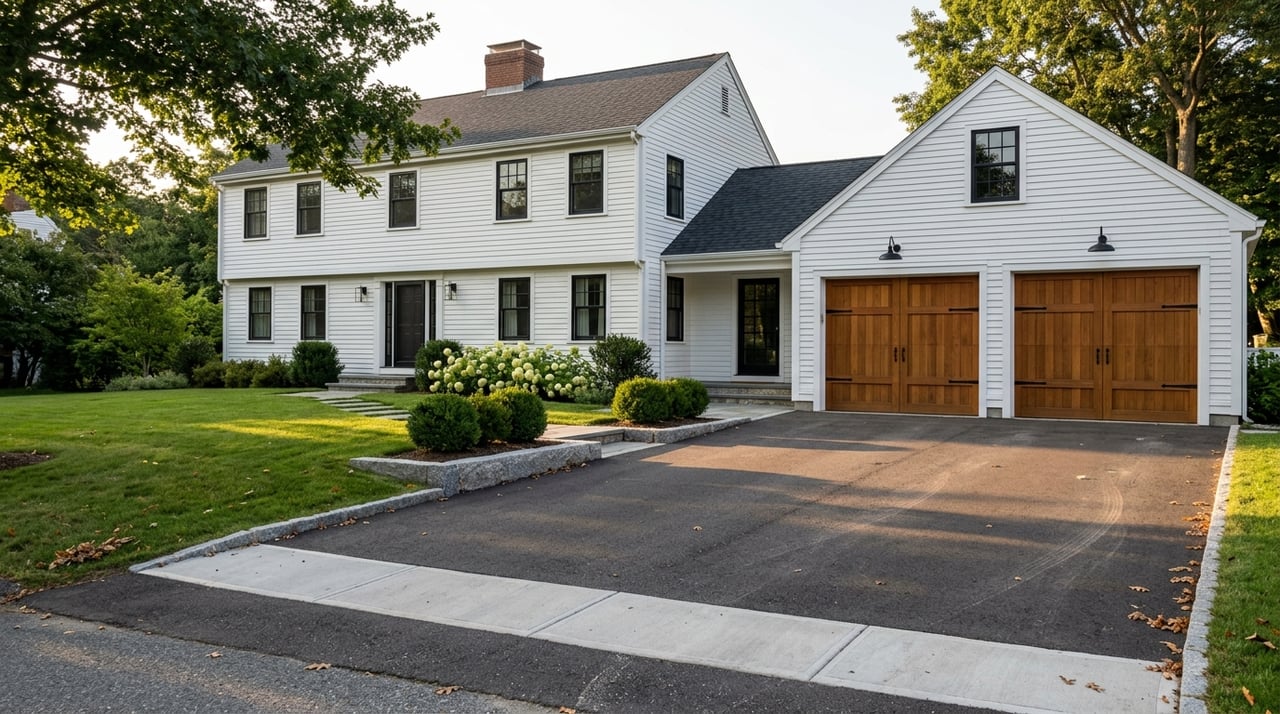
If you already love Reading but need more space, a different layout, or a home that better fits your next chapter, timing can feel like the hardest part. In a fast-moving market, you may worry about selling too soon, buying too late, or carrying two homes at once. The good news is that a move-up purchase can work well when you build the right plan early. Let’s dive in.
Why timing matters in Reading
Reading remains a competitive market by every major public measure. Spring 2026 market trackers show high prices, quick sales, and strong seller leverage, with homes often going pending in days and attracting multiple offers.
That matters if you are trying to buy your next home while selling your current one. In a market like this, the right home may appear before your current home is under agreement, so your strategy needs to cover financing, timing, and backup options from the start.
Start with your move-up budget
Before you tour homes, get clear on what you can comfortably afford. A move-up purchase is not only about the next mortgage payment. It also includes down payment funds, closing costs, moving expenses, early repairs, and the cost of carrying your current home if the timelines overlap.
Consumer guidance says closing costs on a purchase often run about 2% to 5% of the home price. It is also smart to keep an emergency cushion of three to six months of expenses, especially if your sale and purchase do not line up perfectly.
In Reading, property taxes should also be part of your planning. The town’s FY2026 residential tax rate is $10.96 per $1,000 of assessed value, so a higher-priced move-up home may shift your monthly ownership costs more than expected.
Get preapproved early
Preapproval is one of the first steps for a reason. Sellers often expect to see a preapproval letter with an offer, and in a competitive market, you do not want to scramble for paperwork after the right home hits the market.
That said, a preapproval is not permanent. Consumer guidance notes that preapprovals are usually tentative and often expire within 30 to 60 days, so timing matters. If your search may stretch longer, plan to refresh documents as needed.
Once you have a specific home in mind, you can also request Loan Estimates from multiple lenders. Lenders must provide a Loan Estimate within three business days after receiving the required information, and mortgage credit checks made within a 45-day shopping window generally count as a single inquiry.
Should you sell first or buy first?
For many move-up buyers, selling first is the lower-risk path. It can give you a firmer budget, free up equity for your next purchase, and reduce the chance that you will carry two housing payments at once.
Still, selling first is not the only path. In Reading’s fast market, some buyers choose to shop before their current home closes because they do not want to miss a strong opportunity. The best sequence depends on your equity, your cash reserves, your comfort with risk, and how market-ready your current home is.
A practical way to think about it is this:
- Sell first if you want more certainty on proceeds and monthly costs.
- Buy first if you have strong reserves or financing options and need more control over your next-home timing.
- Plan both together if you want to launch your sale with a clear purchase strategy already in place.
How contingencies fit into a Reading move-up plan
Contract contingencies can help manage risk, but they can also affect how competitive your offer looks. In Reading, where homes often receive multiple offers and some buyers waive contingencies, this tradeoff is important.
Home-sale contingency
A home-sale contingency gives you time to sell your current home before closing on the next one. This can protect you from buying before your equity is available.
The downside is competitiveness. In a seller-leaning market, a home-sale contingency may be less appealing to the seller, so it usually works best when the listing has less pressure or when your current home is already close to market-ready.
Home-close contingency
A home-close contingency is slightly different. It says your purchase depends on the closing of your current home, not just getting it under agreement.
This can give you more certainty, but it may feel restrictive to a seller. In a market like Reading, this option tends to work best when your own sale is already far along.
Kick-out clause
A kick-out clause allows a seller to keep marketing the property even after accepting a contingent offer. If another buyer appears, you may have to remove the contingency or step aside.
This can create an opening for buyers who need some protection, but you should go in knowing the timeline may change quickly.
Rent-back option
A rent-back allows the seller to stay in the home after closing if both sides agree. For move-up buyers, this can be especially helpful when you need a few extra days to bridge the gap between transactions.
If your home sells quickly but your next closing is slightly later, a short rent-back can reduce moving stress and give you more flexibility.
Bridge financing and equity access
If you want to buy before your current home sells, you may need a way to tap your existing equity. Two common tools are a HELOC and a bridge loan, but each comes with tradeoffs.
A HELOC is a line of credit secured by your home equity. It can offer flexible access to funds, but rates are usually variable, and the line can be frozen or reduced if your home value falls or your financial picture changes.
A bridge loan is a short-term loan secured by your current principal residence that can help you close on a new home before the old one sells. Lenders generally must document that you can handle payments on both homes plus the bridge loan, so this option works best when your income and reserves are strong.
Leave room for overlap costs
Even with good planning, your closings may not line up perfectly. That is why move-up buyers should build a cushion for temporary overlap.
Your carrying-cost math may include:
- Current mortgage payment
- New mortgage payment
- Property taxes
- Homeowners insurance
- Utilities on both homes
- Moving costs
- Minor repairs or updates
- Storage or short-term housing if needed
This is where a data-driven review can make a real difference. Looking at the numbers before you write offers helps you avoid stretching too far just to win the next house.
Prepare your current home before you shop hard
One of the smartest move-up steps is getting your current home ready before your search becomes urgent. If the right home appears, you want to be close to launch, not just starting the prep process.
Sellers should also budget for selling costs. Freddie Mac notes that commissions often range from 3% to 8% of the sale price, with fees and taxes commonly adding another 2% to 4%, plus any repairs or presentation work.
In Reading, local home-trend data suggest buyers often respond to practical features and visible upkeep. Open floor plans, island bars, office areas, shower stalls, fences, landscaping, and granite counters appear frequently in buyer-facing trend signals, which points to the value of strong presentation, functional space, and curb appeal.
Focus on updates that support speed
You do not need to renovate everything to make a move-up plan work. In many cases, strategic preparation matters more than large projects.
Useful pre-listing priorities often include:
- Interior paint touch-ups
- Carpet cleaning or flooring refreshes
- Landscaping and exterior cleanup
- Decluttering and storage planning
- Light staging guidance
- Minor repairs that buyers will notice quickly
The goal is to help your home show well and support a cleaner, faster launch when timing counts.
Build a realistic closing timeline
A move-up purchase works best when you map out key dates early. In Reading, where homes can move quickly, even a rough timeline can help you react with less stress.
A basic sequence often looks like this:
- Review budget, equity, and financing options.
- Get preapproved.
- Prepare your current home for market.
- Decide on your offer strategy and contingency comfort level.
- List your current home or get it launch-ready.
- Start serious home touring.
- Negotiate timing between sale and purchase.
- Use a rent-back or short overlap plan if needed.
You do not need a perfect script from day one. You do need a plan that matches your finances and the current pace of the Reading market.
Do not overlook required disclosures
If your current home was built before 1978, federal law requires sellers and their agents to disclose any known lead-based paint hazards before sale. Buyers must also receive a 10-day opportunity to inspect for lead hazards unless that right is waived by the parties.
This is one more reason to prepare early. Getting ahead of disclosures and paperwork can help avoid delays once your sale is underway.
A smarter move-up strategy starts with clarity
A move-up purchase in Reading is often less about finding a house and more about managing the sequence well. When you know your numbers, prep your current home early, and choose the right mix of timing, contingencies, and financing, you give yourself more options and less stress.
That is where experienced, hands-on guidance matters. With a thoughtful plan, strong negotiation, and clear financial context, you can move up with more confidence in a market that rewards preparation. If you’re thinking about your next move in Reading, Debbie Caniff can help you build a personalized strategy from sale through closing.
FAQs
When should you get preapproved for a move-up purchase in Reading?
- You should get preapproved early, before you begin serious home touring, because sellers often expect a preapproval letter and these letters commonly expire in 30 to 60 days.
Can a home-sale contingency work for a move-up buyer in Reading?
- Yes, but it may make your offer less competitive in Reading’s fast-moving market, so it is usually best viewed as one option rather than the default strategy.
How much should you budget for closing costs on a move-up home in Reading?
- A common planning range for purchase closing costs is about 2% to 5% of the home price, and you should also budget for moving costs, repairs, and cash reserves.
Is a rent-back useful when selling and buying a home in Reading?
- A rent-back can be very useful if you need a few extra days after closing on your current home before moving into your next one.
What costs should you include when planning a move-up purchase in Reading?
- Your plan should include down payment funds, closing costs, property taxes, insurance, moving costs, possible overlap payments, early repairs, and an emergency cushion.
What should you do before listing your current home for a move-up plan in Reading?
- You should focus on getting the home market-ready with repairs, cleaning, decluttering, landscaping, and presentation improvements so you can launch quickly when the timing is right.
