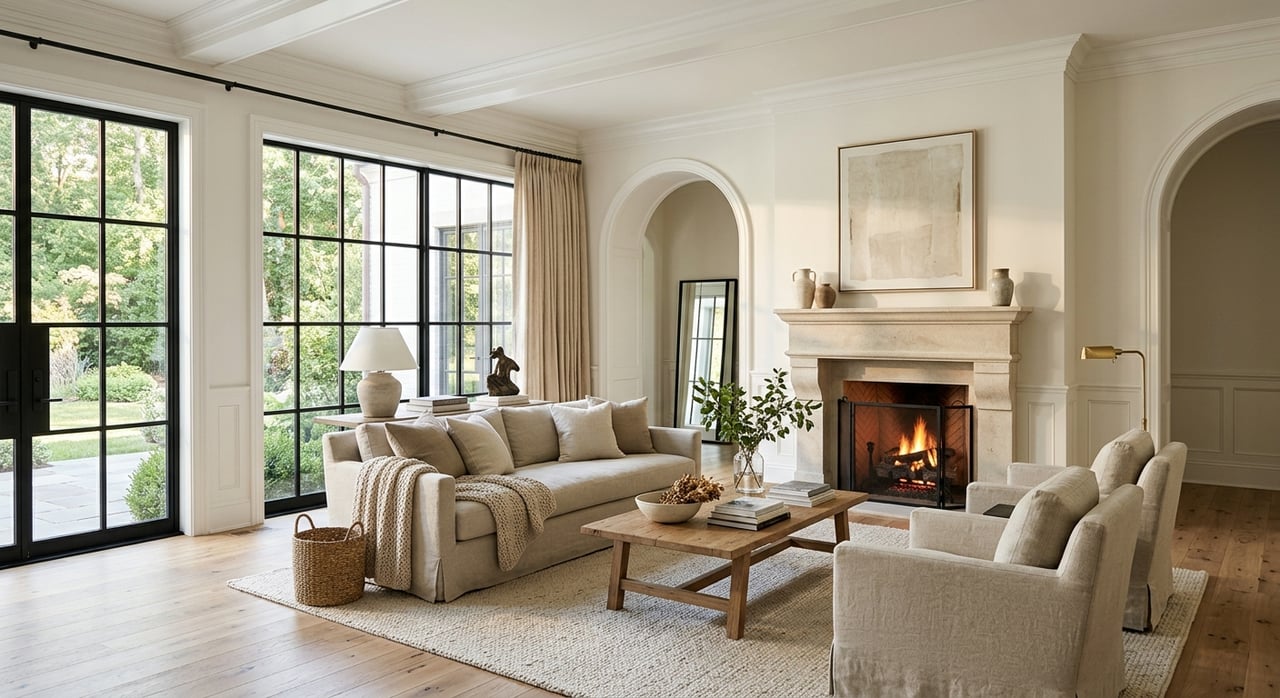
If you are getting ready to sell in Wakefield, your home has only a short window to make a strong first impression. In a market where buyers often compare listings online before they ever book a showing, presentation can shape how quickly your home stands out and how confidently buyers respond. The good news is that you do not need to overhaul everything to improve the way your home is seen. A smart plan for staging, photos, and launch timing can help you present your Wakefield home at its best. Let’s dive in.
Why presentation matters in Wakefield
Wakefield offers convenient access to Boston, sits near I-93 and I-95/128, and is served by MBTA commuter rail, which helps put the town on many buyers’ search lists. The town reported 29,216 residents in 2024, a 70.7% owner-occupied housing rate, and broadband access in 94.0% of households. That matters because buyers in a connected market like Wakefield are likely to screen homes online first and narrow their list before stepping inside.
Recent market data also show why a polished launch matters. Realtor.com’s June 2026 Wakefield summary showed 80 homes for sale, a median listing price of $749,900, a median of 23 days on market, and a 103% sale-to-list ratio. The Massachusetts Association of Realtors’ March 2026 Wakefield single-family update showed just 5 homes for sale, 0.3 months of inventory, and a median sales price of $857,500. In a market that can move quickly, the homes that look ready from day one often have an edge.
Start with the highest-impact prep
Before you think about accessories or finishing touches, focus on the basics that make the biggest difference. Research from 2025 found that the most common seller improvements recommended by agents were decluttering, whole-home cleaning, and curb appeal. Those steps are practical, budget-friendly, and powerful in both photos and in-person showings.
If you are deciding where to put your energy first, use a simple sequence. Declutter first, deep clean second, and then make cosmetic fixes that improve camera appeal and buyer perception. That order helps you avoid spending money in the wrong places.
Declutter to create space
Decluttering is one of the most recommended pre-listing steps for a reason. It helps rooms feel larger, calmer, and easier to understand. Buyers are not just looking at your finishes. They are trying to picture their own furniture, routines, and daily life in the home.
Start by removing excess furniture, packing personal items, and clearing surfaces. Closets should be about half full so they look spacious rather than cramped. The goal is not to make the home look empty. The goal is to make it feel open and easy to move through.
Deep clean before photos and showings
A clean home reads as well cared for, and the camera tends to exaggerate dust, smudges, and wear. Pay close attention to windows, carpets, walls, lighting fixtures, and kitchen and bath surfaces. Even small details like fingerprints on stainless steel or dusty baseboards can stand out in listing photos.
If you are short on time, a professional deep clean is often money well spent. It supports every other part of your marketing because bright, clean rooms photograph better and feel better in person.
Boost curb appeal early
Your exterior is often the first photo buyers see, so curb appeal should never be an afterthought. Trim the lawn, edge walkways, refresh mulch, sweep porches, and make sure the front entry feels tidy and welcoming. If seasonal plantings are in place, keep them neat and simple.
For Wakefield sellers, this step is especially important because the digital listing often acts like a first showing. A crisp exterior shot can be the difference between a saved listing and a skipped one.
Focus on the rooms buyers notice most
Not every room needs the same level of effort. According to 2025 staging research, buyers ranked the living room as the most important room to stage, followed by the primary bedroom and the kitchen. That gives you a clear roadmap when time or budget is limited.
Living room first
The living room often sets the tone for the whole home. It helps buyers understand scale, flow, and how people gather in the space. Remove bulky furniture, open the layout if possible, and use simple, neutral styling.
Aim for balance and breathing room. You want the room to feel comfortable and functional without looking crowded. Good natural light and a clean furniture arrangement go a long way here.
Primary bedroom second
The primary bedroom should feel restful and uncluttered. Clear nightstands, simplify bedding, and remove extra pieces that make the room feel tight. Soft, neutral layers usually photograph best.
This room does not need dramatic styling. It just needs to feel calm, clean, and proportional to the size of the home.
Kitchen third
In the kitchen, less is more. Clear counters except for a few intentional items, hide small appliances when possible, and make sure surfaces shine. Buyers notice cleanliness here quickly, both online and in person.
If your kitchen is smaller or has an awkward layout, staging helps define how the space works. Even a simple bowl, a neat coffee area, or a clean island setup can help the room feel more polished.
Why staging helps buyers say yes
Staging is not really about decorating. It is about helping buyers understand the home more easily and feel more comfortable moving forward. In 2025 research, 83% of buyers’ agents said staging made it easier for buyers to visualize the property as a future home.
That visualization matters because buyers move fast when a home feels clear and believable. The same research found that many buyers expect homes to look like they were staged on TV, and many feel disappointed when homes do not match those expectations. If your online presentation feels polished and the in-person experience matches it, you reduce friction and build confidence.
There may also be a practical payoff. In the same 2025 staging research, 29% of agents said staging led to a 1% to 10% increase in the dollar value offered, and 49% said staging reduced time on market. While every sale is different, those numbers show why presentation deserves real attention.
Keep staging costs realistic
You do not need to assume a large staging budget to make meaningful improvements. Research reported a median cost of $1,500 for a professional staging service, while agent-assisted staging had a median cost of $500. For many sellers, the right answer is a tailored mix of hands-on prep, selective updates, and focused staging in the most important rooms.
A good strategy is to spend where buyers will notice it most. That usually means cleanliness, layout, light, and first impressions rather than major cosmetic projects right before listing. If you are preparing to sell within the next year, pacing your work this way can help you stay efficient and avoid unnecessary stress.
Prepare for an online-first launch
Most buyers start their search online, and the listing itself often decides whether they want to visit. In 2025 consumer research, 81% of buyers said listing photos were the most useful feature during an online search. Buyers’ agents also reported strong interest in photos, traditional staging, videos, and virtual tours.
For Wakefield sellers, that matters even more because the town’s strong commuter access and high broadband use support an online-first search pattern. Buyers may compare several homes across listing sites in one sitting. Your listing needs to feel sharp, honest, and easy to remember.
Put the first photo to work
The first photo carries a lot of weight. Choose the cleanest, brightest exterior or strongest lifestyle image available. It should invite buyers to click and keep going.
After that, sequence your photos so the strongest rooms appear early. Lead with spaces that sell the experience of the home, especially the living room, kitchen, and primary bedroom.
Use video to show flow
Photos capture details, but video can help buyers understand layout and movement. A short walkthrough can make the home feel more complete and easier to picture. That is especially useful when a floor plan has connected spaces that need context.
The key is accuracy. If virtual staging is used for empty or awkward rooms, any material changes should be disclosed so buyers have a clear picture of the property.
Time your launch carefully
A strong sale is not just about how your home looks. It is also about when and how it hits the market. Research on home marketing notes that the first few days after launch carry extra weight, and broad MLS exposure remains important for reach.
That means your home should be fully ready before it goes live. Avoid listing before cleaning, staging, and photos are complete. If you launch before the home is truly prepared, you may lose the advantage of those early days when attention is highest.
Treat the first weekend as part of the plan
The first weekend open house should support the listing launch, not trail behind it. Consumer guidance notes that holding the first open house the weekend after the listing goes live can help maximize exposure. When the photos, showing condition, and launch timing all line up, buyers get a more consistent and compelling impression.
This is where details matter. Fresh flowers are optional, but clean windows, good light, tidy entry areas, and a thoughtful room layout are not. Consistency between the online listing and the in-person showing builds trust.
A practical pre-listing checklist
If you want a simple way to prepare your Wakefield home for market, start here:
- Declutter every room
- Pack away personal photos and excess decor
- Remove bulky or extra furniture
- Deep clean windows, walls, floors, carpets, and fixtures
- Edit closets so they are about half full
- Tidy the front yard, walkway, and entry
- Focus staging on the living room, primary bedroom, and kitchen
- Schedule professional photos once the home is fully ready
- Plan your first weekend open house as part of the launch strategy
The goal is confidence, not perfection
You do not need a magazine-perfect house to have a strong sale in Wakefield. You need a home that feels clean, cared for, and easy for buyers to understand from the first photo to the final showing. Thoughtful staging and presentation help buyers focus on the home itself instead of the distractions around it.
With the right preparation, you can launch with more confidence, create stronger early interest, and put your home in the best position to compete. If you are thinking about selling in Wakefield and want a tailored plan for pricing, presentation, and launch, Debbie Caniff can help you prepare your home with a thoughtful, data-informed strategy.
FAQs
How important is staging for selling a Wakefield home?
- Staging can help buyers visualize the home more easily, improve the online presentation, and may reduce time on market based on 2025 industry research.
What rooms should Wakefield sellers stage first?
- Start with the living room, then the primary bedroom, and then the kitchen, since those rooms rank highest in buyer attention according to staging research.
What are the best low-cost steps before listing a home in Wakefield?
- Decluttering, deep cleaning, and improving curb appeal are the most widely recommended pre-listing steps and often make the biggest difference for photos and showings.
Why do listing photos matter so much for Wakefield home sales?
- Buyers often search online first, and 81% of buyers in 2025 consumer research said photos were the most useful online search feature.
When should a Wakefield home go live on the market?
- Your home should go live only after cleaning, staging, and photography are complete so you can make the most of the first few days of buyer attention.
